What to Log in a Garden Journal (and Why Paper Falls Short)
The plant care I forget isn't the watering. It's the stuff that only comes up every few weeks, like fertilizing and repotting. That's what a garden journal is good for, and it's also where a paper notebook falls short.
My garden
I live in the mountains near the center of Puerto Rico, next to a river, so it's not that dry. Everything I grow is in pots. I moved recently, so nothing is in the ground yet. The pots are spread around the front and side of the house depending on how much sun each plant wants. One spot gets sun all day, another only gets morning sun, and a few snake plants live inside because they barely need light or water.
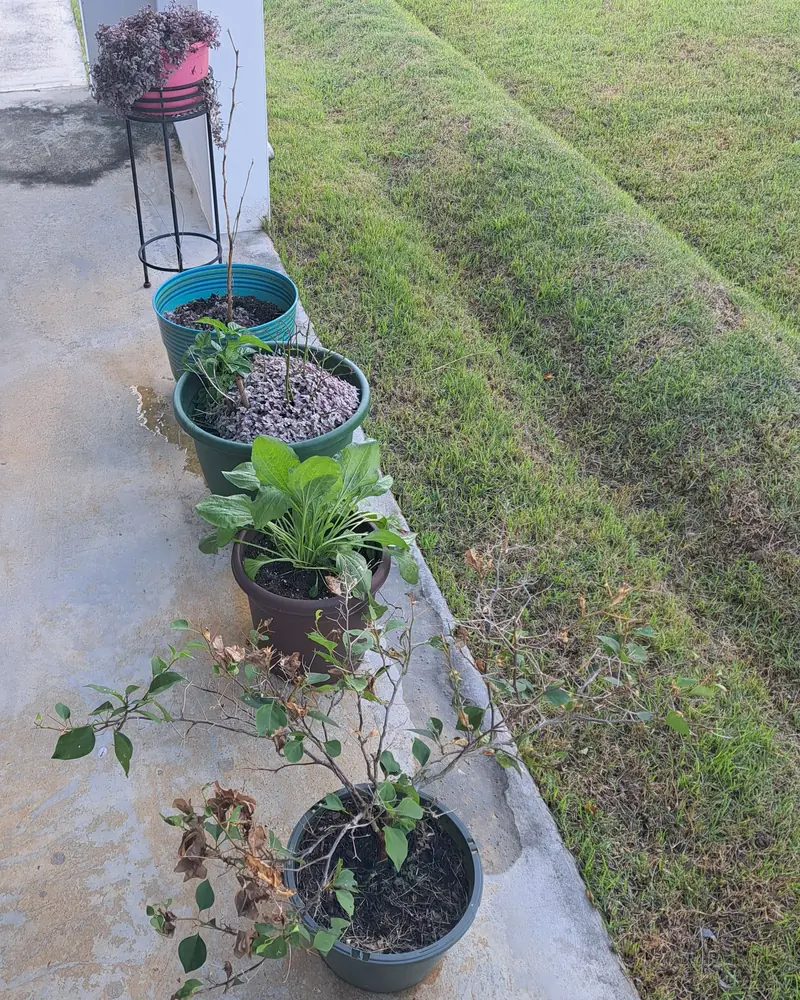
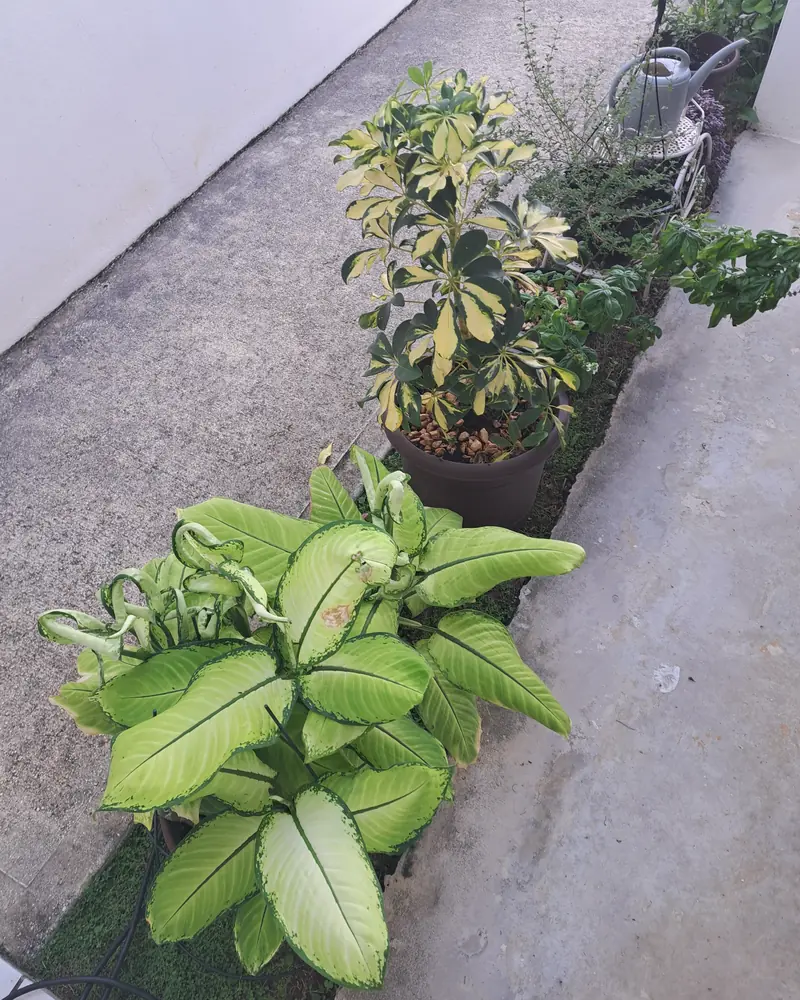
Right now that's aloe, mint, basil, a Callisia repens 'Pink Lady', a lot of snake plants, a small cactus and succulent garden, a small lemon tree that's sick at the moment, and a Venus flytrap that helps with the flies. Plus plenty of tropical ornamentals, since this is Puerto Rico.
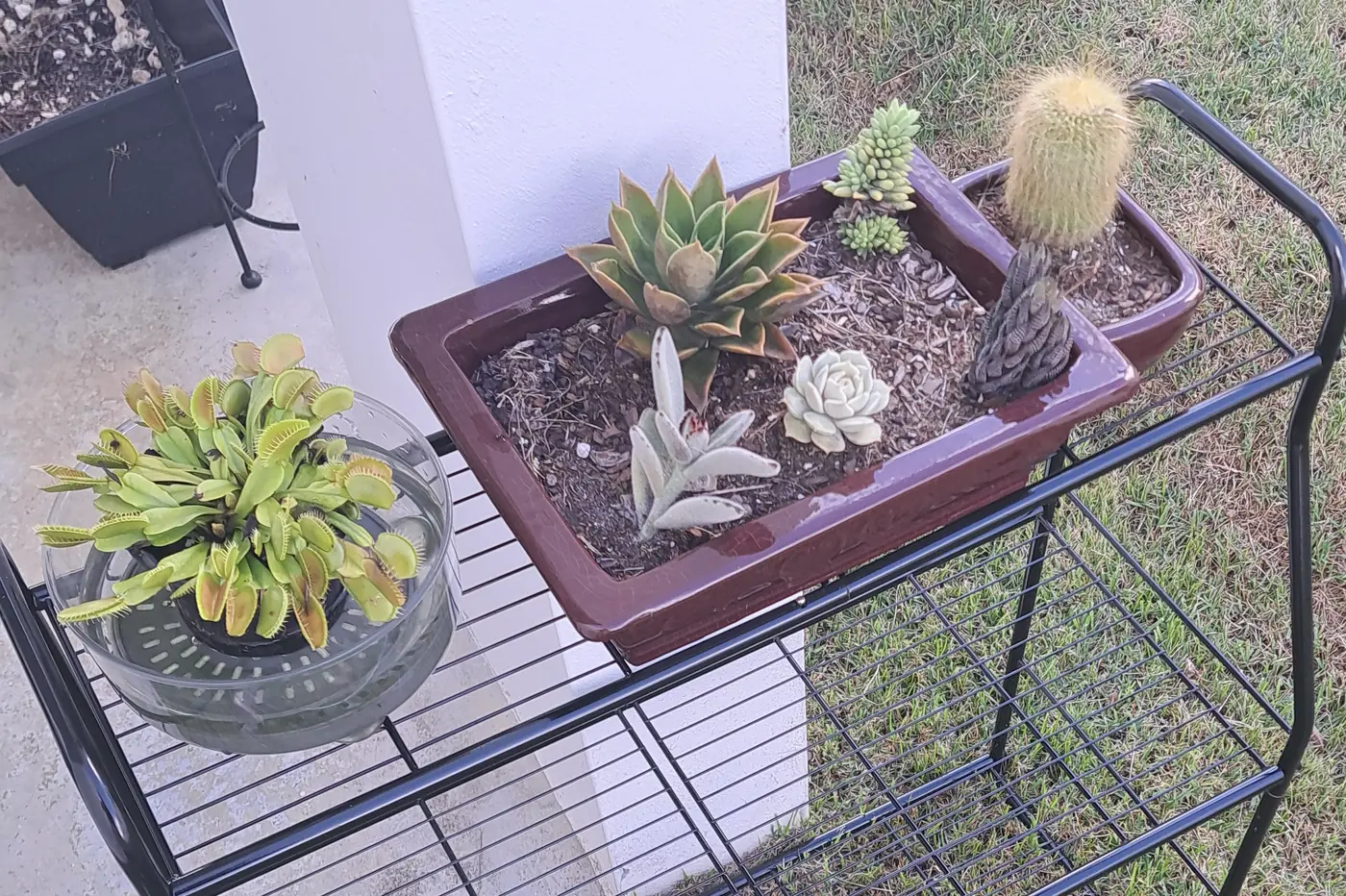
I've been gardening on my own for almost six years, and for longer than that with my parents. They have a much bigger garden full of plants and trees, and they know way more about it than I do. It's always been a fun family thing.
How I kept track before
Mostly by memory. If something was urgent, I set a phone alarm, and I had to set a new one every time.
Watering wasn't really the problem. I water every day or on set days of the week, so it's hard to miss. Fertilizing and repotting were different. I didn't know when I'd last done them, and some plants need fertilizer sooner than others, especially the ones that are going to flower or be harvested.
What logging taught me
Once I started logging in Garden Journal, the app I made, I found out a lot of my plants were fading because I wasn't fertilizing enough. Basil was the clearest case. Mine kept dying after a while and I didn't know why. It had used up the nutrients in the pot's soil.
A plant in a pot only has the soil in that pot. Every watering washes some nutrients out, and the fertilizer mixed into bagged potting soil only lasts a few weeks. Basil also needs extra nitrogen to keep making leaves, so Utah State recommends feeding it regularly if you grow it in a pot or keep pinching it back.
Since I started fertilizing, fewer plants die like that. Feeding isn't everything with basil, though. Most basil is an annual, so it flowers and dies eventually anyway, and heat and dry soil make it flower sooner.
What to log
The things worth logging are the ones that come up every few weeks or months, not every day.
- Fertilizing. The date, and what you used. This is the one I used to lose track of. How often depends on the plant and the product. For soft-stemmed container plants like basil, UGA suggests every 2 to 3 weeks with a liquid fertilizer during the growing season. Stick to the label, because extra fertilizer builds up as salts in the pot.
- Repotting. The date and the pot size. Roots coming out of the drainage holes, or soil that dries out much faster than it used to, are the usual signs a plant needs a bigger pot (UW–Madison). Fast growers can need a new pot every year and slow ones every two or three, according to the University of Arizona.
- Problems and what you tried. Yellow leaves, pests, a plant that stops growing. A dated note with a photo makes it easier to tell later if what you changed worked.
What I don't log is daily watering, since it's already a routine, or where each plant sits, since I can just look. With a bigger garden I'd probably need to log more.
Why paper falls short
A paper notebook only solves half the problem. It's good at remembering what you did. It can't tell you when it's time to do it again. You still have to remember to open it, find the last fertilizing date for each plant and count the weeks.
My phone alarms had the opposite problem. They reminded me, but they didn't remember anything.
An app can do both: keep the date you last did it, and nudge you when it's due again.
How I log it now
In Garden Journal, every plant has its own fertilizing schedule (weekly, every two weeks or monthly), and its page shows when it was last done and when it's due next. Instead of separate alarms, the app sends one daily reminder that sums up what's due, like "2 watering overdue, 1 need fertilizing."
Watering, fertilizing and leaf cleaning are built in. Anything else, like repotting, can be a custom task, with or without a schedule. Notes keep their date and can include a photo.
Try it
Garden Journal is free on Google Play for Android. If fertilizing keeps slipping for you too, see what Garden Journal does.